Pre-Purchase Vessel Inspection
Independent onboard assessment of condition, maintenance exposure and acquisition risk.
Pre-purchase inspection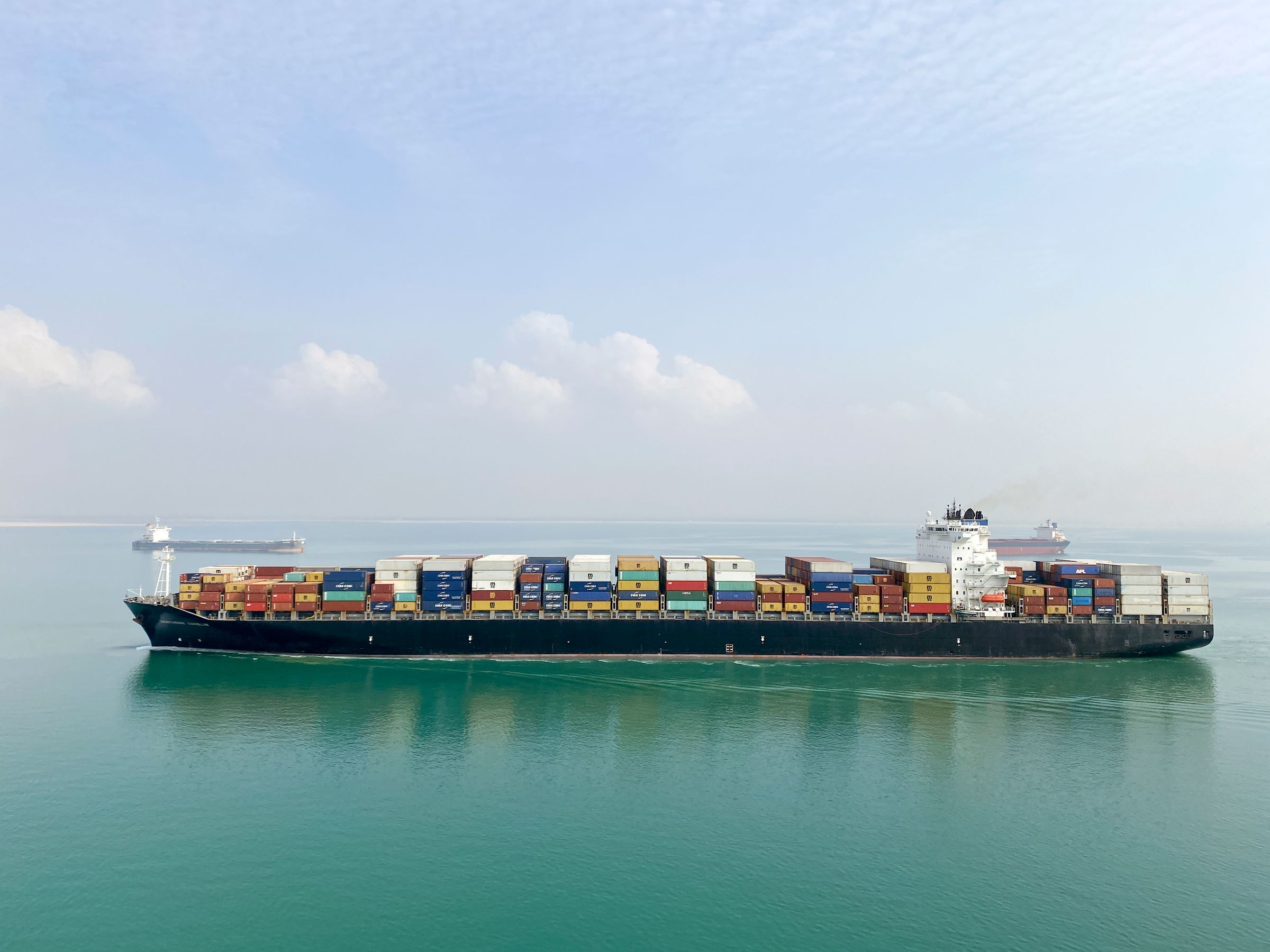
Independent Vessel Inspection
& Owner-Side Assurance
Before you buy the vessel, know what you are actually buying.
Independent onboard assessment for vessel acquisitions, takeovers and owner-side technical assurance - focused on defects, hidden maintenance exposure and issues that may affect purchase price or delivery conditions.
Commercial risk, not just defects
A vessel may pass class requirements and still carry significant post-acquisition exposure.
Our role is to identify technical, operational and documentary issues that may become the buyer's responsibility after delivery.
Findings are assessed for their potential effect on:
The objective is simple: identify the risk before ownership transfers.
A defect discovered before acquisition is information.
The same defect discovered after delivery becomes the owner's problem.
Main services
Independent onboard assessment of condition, maintenance exposure and acquisition risk.
Pre-purchase inspectionAn independent onboard presence reporting directly to the owner or prospective buyer.
Owner representationVerify delivery condition, outstanding defects and immediate priorities at handover.
Takeover supportIdentify potential deficiencies before PSC, flag, class, vetting or audit attendance.
Inspection readinessAn initial review of vessel information before committing to full onboard inspection.
Remote screeningBefore ownership transfers
A technically operational vessel can still represent significant financial exposure to a buyer.
Senior Practitioner-Led
Master Mariner | Vessel Inspection & Owner-Side Representation
Marine inspections and owner-side assignments are personally led by an experienced serving Master Mariner with operational command experience aboard commercial container vessels.
The approach combines shipboard operational knowledge with an owner-focused assessment of technical condition, maintenance standards, statutory readiness and acquisition risk.
About the practitionerOperational perspective
What we assess
A scope-led review of condition, operational readiness and the evidence behind the vessel's maintenance history.
For machinery-intensive acquisitions, attendance can be coordinated together with a qualified Chief Engineer / marine engineer.
Inspection scope, access and any selected operational tests are agreed for each assignment. Machinery observations do not constitute a specialist engineering survey.
Evidence you can use
A concise overview of the most important technical and operational risks.
Items requiring immediate attention or further investigation.
Clear photographic evidence wherever practical, referenced to individual findings.
Visible maintenance backlog and potential near-term repair requirements.
Relevant documentation, survey and compliance concerns identified during the review.
Items relevant to price discussions, seller rectification, delivery conditions, repair budgeting and takeover planning.
Potential safety, operational, statutory or major financial consequence.
Requires early correction or further investigation.
Maintenance or operational issue requiring planned action.
Item for monitoring or future maintenance.
From finding to negotiation
Physical defect, documentation issue or maintenance concern.
Review records, maintenance history and available evidence.
Determine operational, statutory and financial relevance.
Present the issue clearly with photographs and supporting information.
Consider seller rectification, purchase-price discussion, delivery conditions, repair budget or further specialist inspection.
Findings inform the client's commercial judgement. Final valuation and contractual decisions remain with the client and their advisers.
Start with the available evidence
Initial risk screening before committing to a full onboard inspection.
Before arranging travel and onboard attendance, an initial review can help determine which areas require particular attention.
Your Initial Acquisition Risk Note identifies key red flags, document gaps, questions for the seller and priority points for onboard verification.
Explore remote screeningRemote screening is intended as a preliminary acquisition tool and does not replace physical onboard inspection.
From instruction to follow-up
Client provides vessel name / IMO, location, timing and required scope.
Inspection scope is agreed depending on vessel type, acquisition stage and client priorities.
Available vessel information is reviewed before attendance where possible.
Independent onboard inspection and discussions with relevant shipboard personnel.
Structured findings with photographs, priorities and supporting observations.
Clarification of significant findings and additional review if requested.
Discretion from first contact
Vessel acquisition work often involves commercially sensitive information. All enquiries, vessel information, reports and client instructions are treated as confidential.
NDA arrangements can be accommodated where required.
No seller-side commercial interest.
Reporting structured around the client's acquisition risk.
Commercial vessel information handled discreetly.
Assignment personally handled by an experienced Master Mariner.
Your next decision
Send the vessel IMO number, location and expected inspection window.